
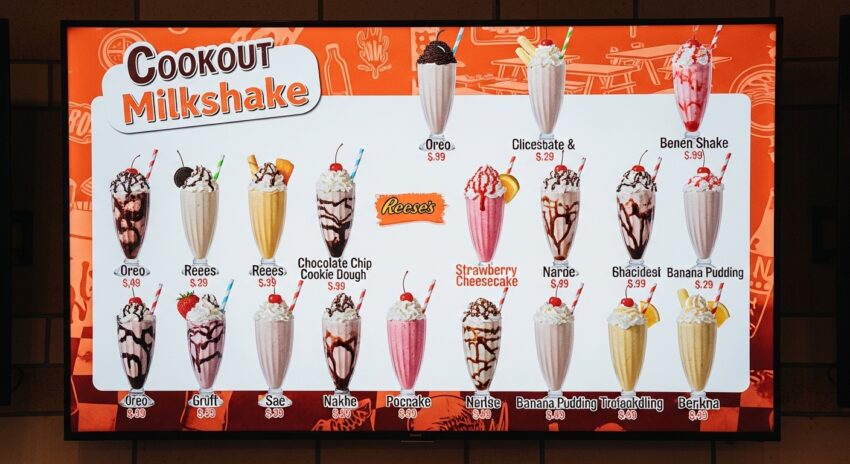
Cookout Milkshake Menu: The Complete Guide to Flavours, Pricing, and Picking a Favourite
Why the Milkshake Menu Steals the Show
Ask regulars what keeps them coming back to a cookout-style restaurant, and the answer is rarely just the burgers or the trays of BBQ — it’s the milkshake menu. A well-built cookout milkshake menu turns a quick meal into something worth the drive, with dozens of flavor combinations that go far beyond vanilla, chocolate, and strawberry.
This guide covers how a strong cookout milkshake menu is typically structured, the flavor categories worth trying, how pricing usually works, and tips for building your own perfect order — whether you’re ordering in person or building a homemade version for a backyard cookout.
What Makes a Cookout Milkshake Menu Different
Most fast-food milkshake menus stop at three or four flavors. A true cookout milkshake menu is built around mix-and-match flavor combinations — meaning the menu often lists a smaller set of base flavors that can be combined into dozens of possible shakes. This is the format that made cookout-style milkshake menus famous: instead of choosing one flavor, you’re choosing a combination.
A well-designed cookout milkshake menu typically includes:
- A base list of 30–40+ individual flavors
- Suggested flavor combos for people who don’t want to build their own
- Seasonal or limited-time flavors that rotate throughout the year
- Size options (small, medium, large) with combo pricing
Core Flavor Categories on a Cookout Milkshake Menu
Classic and fruit flavors
- Vanilla, chocolate, strawberry
- Banana, pineapple, cherry
- Peach, mixed berry, watermelon (seasonal)
Candy and dessert-inspired flavors
- Oreo cookie
- Peanut butter
- Butterfinger or similar candy bar mix-ins
- Cotton candy
- Cheesecake
Coffee and rich flavors
- Mocha
- Caramel
- Coffee (for an adult-leaning option)
Specialty and seasonal flavors
- Pumpkin pie (fall)
- Peppermint (winter holidays)
- Key lime pie
- Banana pudding
The mix-and-match format means a flavor like “Oreo” can be combined with “banana” for a banana Oreo shake, or “peanut butter” can pair with “chocolate” for a peanut butter cup-style shake — the combinations are effectively limitless.
Popular Milkshake Combos Worth Trying
If you’re new to a cookout milkshake menu and want a starting point rather than building blind, these combinations are consistently popular:
- Banana pudding — banana + vanilla wafer flavor, a Southern classic
- Oreo mint — Oreo + peppermint, especially popular in colder months
- Peanut butter cup — peanut butter + chocolate
- Strawberry cheesecake — strawberry + cheesecake
- Caramel mocha — caramel + mocha, for a coffee-forward option
- Cookies and cream banana — Oreo + banana, a lighter twist on the classic
How Pricing Typically Works on a Cookout Milkshake Menu
Pricing varies by location and size, but most cookout-style milkshake menus follow a similar structure:
| Size | Typical Price Range |
|---|---|
| Small | $3–$4 |
| Medium | $4–$5 |
| Large | $5–$6 |
Mix-and-match combinations are usually the same price as a single-flavor shake — the cost is based on size, not the number of flavors blended in. This is part of what makes the mix-and-match format so popular: there’s no upcharge for creativity.
Tips for Building the Perfect Cookout Milkshake Order
- Start with a base flavor you already like, then add one complementary flavor rather than combining three or four at once — simpler combos tend to taste more balanced.
- Pair fruit with cream-based flavors (like strawberry with cheesecake) rather than fruit with fruit, which can taste one-note.
- Ask about seasonal flavors before ordering — many cookout milkshake menus rotate limited-time options that aren’t always listed on the main board.
- Order a smaller size first if you’re trying an unfamiliar combo, then order a full size next time once you know you like it.
Making a Cookout-Style Milkshake Menu at Home
For hosts who want to bring the mix-and-match milkshake experience to a backyard cookout, the format translates well to a DIY shake bar:
Base setup:
- Vanilla and chocolate ice cream as the two base flavors
- Milk for blending
- A blender or milkshake mixer
Mix-in station:
- Crushed Oreos, peanut butter, caramel sauce, chocolate syrup
- Fresh or frozen fruit (strawberries, bananas, cherries)
- Whipped cream and sprinkles for topping
Setup tip: Label each mix-in clearly and let guests build their own combination — this mirrors the mix-and-match format that makes cookout milkshake menus popular in the first place, and it turns dessert into part of the entertainment rather than just a final course.
Frequently Asked Questions About Cookout Milkshake Menus
How many flavors are usually on a cookout milkshake menu? Most cookout-style milkshake menus list 30–40+ individual flavors that can be mixed and matched, meaning the actual number of possible shake combinations runs into the hundreds.
Does it cost more to combine multiple milkshake flavors? Typically no — mix-and-match combinations are priced by size, not by the number of flavors blended together, which is a big part of the format’s appeal.
What’s the most popular milkshake combo on a cookout menu? Banana pudding and Oreo-based combos (like Oreo mint or cookies and cream banana) are consistently among the most ordered, alongside classic peanut butter and chocolate pairings.
Are cookout milkshake flavors seasonal? Many locations rotate in seasonal flavors — pumpkin pie in fall, peppermint in winter — alongside a stable year-round lineup of classic and fruit flavors.
Can I recreate a cookout-style milkshake menu at home? Yes. Stock two base ice cream flavors (vanilla and chocolate), set up a mix-in station with candy, sauces, and fruit, and let guests build their own combinations — the same format that makes the in-restaurant menu popular.
Final Thoughts
A cookout milkshake menu works because it turns dessert into a choice, not just an order. The mix-and-match format means there’s no wrong answer — whether you stick to a classic combo like banana pudding or build something new, the flavor list is designed for experimenting. Start with a simple two-flavor combo, ask about seasonal options, and don’t be afraid to try something outside your usual order.